

STOP GETTING PLAYED — Ordinary People Can Fight Back.
Ordinary People Can Fight Back. ——Tomorrow, a Six-Figure medical bill lands on your kitchen table.No warning. No explanation. Just one message: PAY. NOW.
STOP GETTING PLAYED.
— Ordinary People Can Fight Back.
— Paperwork in. Leverage out.
— Decision leverage for everyday life.
Tomorrow, A Six-Figure Medical Bill Lands On Your Kitchen Table.No warning. No explanation. Just one message: PAY. NOW.

Real case. Real AI. Real win. (2025 — USA)
In 2025, an ordinary American shared a real story: he used AI to audit a hospital bill line by line—checking codes, spotting errors, finding leverage points, and pushing through the appeal process.
$195,000 → $33,000. 83% cut. $160,000+ saved—in one fight. *Source (US, 2025): public post + supporting documents (redacted).
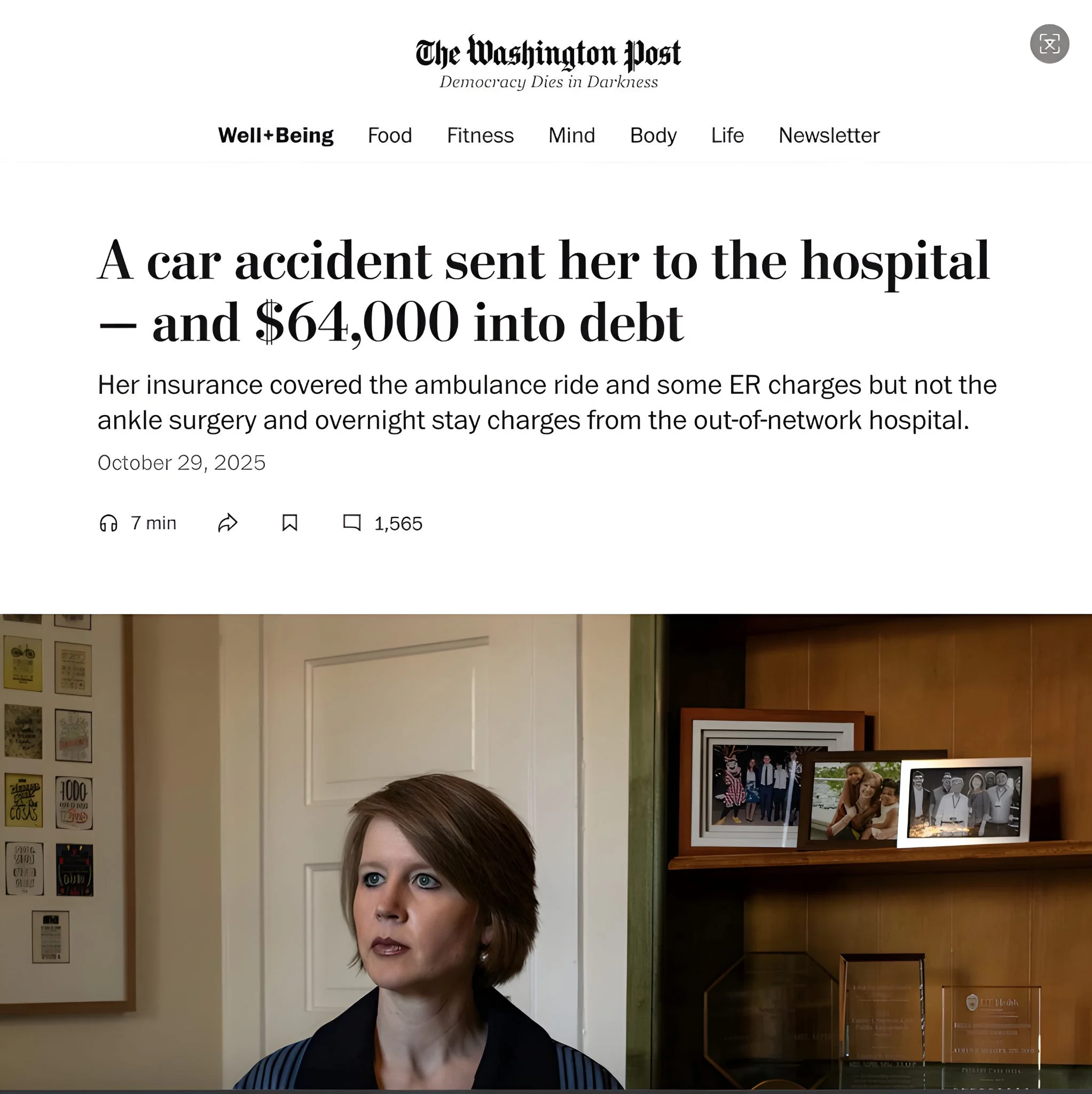
This isn’t “AI is Cool.” This is: Ordinary People Can Fight Back.
And it’s not just America. (2025 — China)
A father died 46 days after surgery. Then the bill arrived: ~$80,000.
His son audited the charges—and one line item jumped off the page:
“Perineal cleaning” billed 34 times… for a male patient.Read that again: 34 times.
*Publicly reported (China, 2025) | Source: Toutiao ( major Chinese news platform)—Link. (We cite sources and show the audit trail—so any investor can verify this in minutes.)
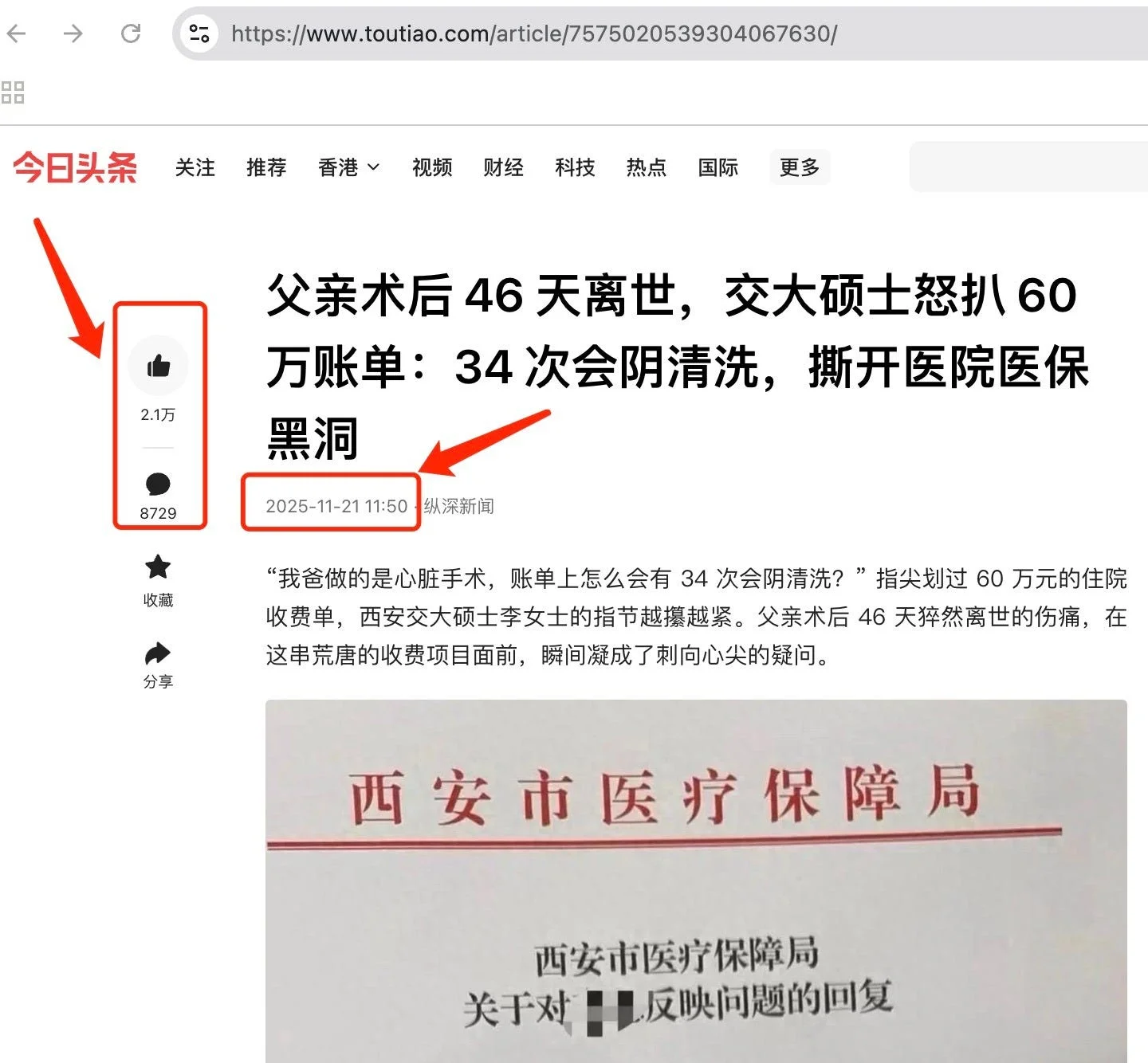
Publicly reported (China, 2025)
THIS ISN’T A HEALTHCARE PROBLEM. IT’S AN INFORMATION-ASYMMETRY PROBLEM—EVERYWHERE.
Bills. Insurance. Contracts. Job offers. School fees. Subscriptions. Investing.The fine print wins because most people don’t have the time, energy, or expertise to fight systems designed to exhaust them.
So here’s the line: You don’t need more outrage. You need a tool.
A tool that turns chaos into action: Decision → Evidence → Next Steps.
(*Examples are publicly reported/illustrative; Not medical/legal advice.)
THIS IS LUMI — BEYOND THE AI HYPE.

Lumi is a global AI decision assistant built for everyday people—simple enough to use instantly, useful enough to use daily.(Avoid traps, Cut losses, Save money, and Take back control.)(*Full details below.)
Ask a real-world question. Get: Decision → Evidence → Next Steps.
Paperwork in. Leverage out.
Open the Pitch Deck → Demo/Business Model/Roadmap/Data & Trust.
WHAT KEEPS YOU UP AT NIGHT?
You didn’t “fall behind” because you stopped trying. You fell behind because the rules got harder, the fine print got sharper, and the system got better at wearing you down.

Same pressure. On repeat:
Cost of living & inflation — prices eating your raise alive
Rent, mortgages, housing — rent spikes, mortgage resets, bad timing traps
Healthcare — bills you can’t decode, costs you can’t avoid
Jobs, wages & AI — wages, layoffs, skills racing the bots
Retirement & taxes — missed matches, credits, breaks you never knew existed
Scams & cyber risk — one click, years of savings gone
If you feel exhausted, that’s normal.
Most people aren’t losing because they don’t try. They’re losing because information is opaque, rules are complex, and entire industries have home-field advantage.
2026 TRUTH: YOU DON’T LACK INFORMATION — YOU LACK LEVERAGE.
“Reali-TEA” IS Lumi’S EDGE — NO HYPE.
We live in an attention war—so yes, we deeply understand distribution, how to earn attention, and how to win at scale.
Per TikTok Next 2026 (Jan 19, 2026), the most “luxury” thing in 2026 isn’t AI or big traffic—it’s authenticity. [Source: TikTok Next 2026 ]
So we don’t pitch Delulu fantasies.
People want “Reali-TEA”: real, grounded, useful.That’s exactly how Lumi grows: results travel.
We earn trust the hard way—with receipts: Cut bills. Avoid traps. Save money. Take back control.
Then—and only then—do we earn the right to talk about the bigger map.
No Delulu—just Reali-TEA — built to scale because real wins spread.
NOT A VC DECK — A USER-FIRST INVESTMENT MEMO.
Because Lumi is built for the people who will actually live with the product: everyday users, user-investors, operator angels, micro-funds and family offices.

Many of our investors are also future users — and potential co-builders.
We speak plain English that respects real life—and still holds up under institutional scrutiny.
ALIGNED WITH A16Z — WHY THIS LANE WINS.
On Jan 20, 2026, a16z’s AI Apps Fund defined what separates durable, scalable AI companies from the rest—across enterprise and consumer. [Per a16z’s latest report ]
The best companies don’t just have customers—they have embedded workflows.Users stay because leaving is irrational: dependence created by value, not friction.
Raw data is cheap. Transformation is expensive—and that’s where the moat is. Don’t sell ingredients. Sell the finished dish.
Most global data is public or low-cost. The edge belongs to whoever can turn it into decision-grade value—fast, reliably, at scale.

From an investor lens, two a16z focus areas:
— Legacy businesses sitting on data but unable to monetize it.
— “Free but time-walled” data: accessible in theory, valuable only if captured at the right moment and packaged into something tradable.(e.g., point-in-time creator metrics).
Lumi’s lane: Built & scaled since Day One:
turn messy, low-cost information into decision-ready leverage and repeatable outcomes—at scale.
*We’ll show sources, logic, and proof points—so any investor can audit the claim.
OUR DELIVERABLE STANDARD
People don’t need more info. We don’t teach you to become an expert. We give you the next move: Decision → Evidence → Next steps.
— Decision: worth it or a trap?
— Evidence: proof + logic chain
— Next steps: what to do now
Outcome-first delivery is why users come back—and why they pay.
MOAT FROM DAY ONE — USERS BUILD IT. THEY DON’T LEAVE.
In the AI era, fewer and fewer products let everyday people meaningfully participate.Not because people don’t care—because most “AI products” are too technical, too B2B, or too far from real life.
Lumi runs the opposite play. From day one — not “build a product for people,” build it with them — so it tracks real pain, not founder fantasies.
Co-building is intentionally low-friction: Plain language. Real scenarios. Verifiable outcomes (avoid traps / save money / stop losses).
As a16z frames it: the best companies don’t just have customers—they have embedded users (high switching costs).But that isn’t hostage-taking. It’s earned dependence—through value.
Healthy binding sounds like this:
I helped shape it (co-built alongside the team)
I rely on it (real, daily pain solved)
I don’t want to leave (habit + compounding daily utility)
I bring others (organic, community-driven growth)
Questions → Better outputs → Repeat use → Trust → Referrals → Lower CAC
That’s the moat: people invest time, feedback, real scenarios and daily habits — creating earned switching costs + long-term belonging, powered by results, not hype.
Retention becomes the moat. Referrals become distribution.
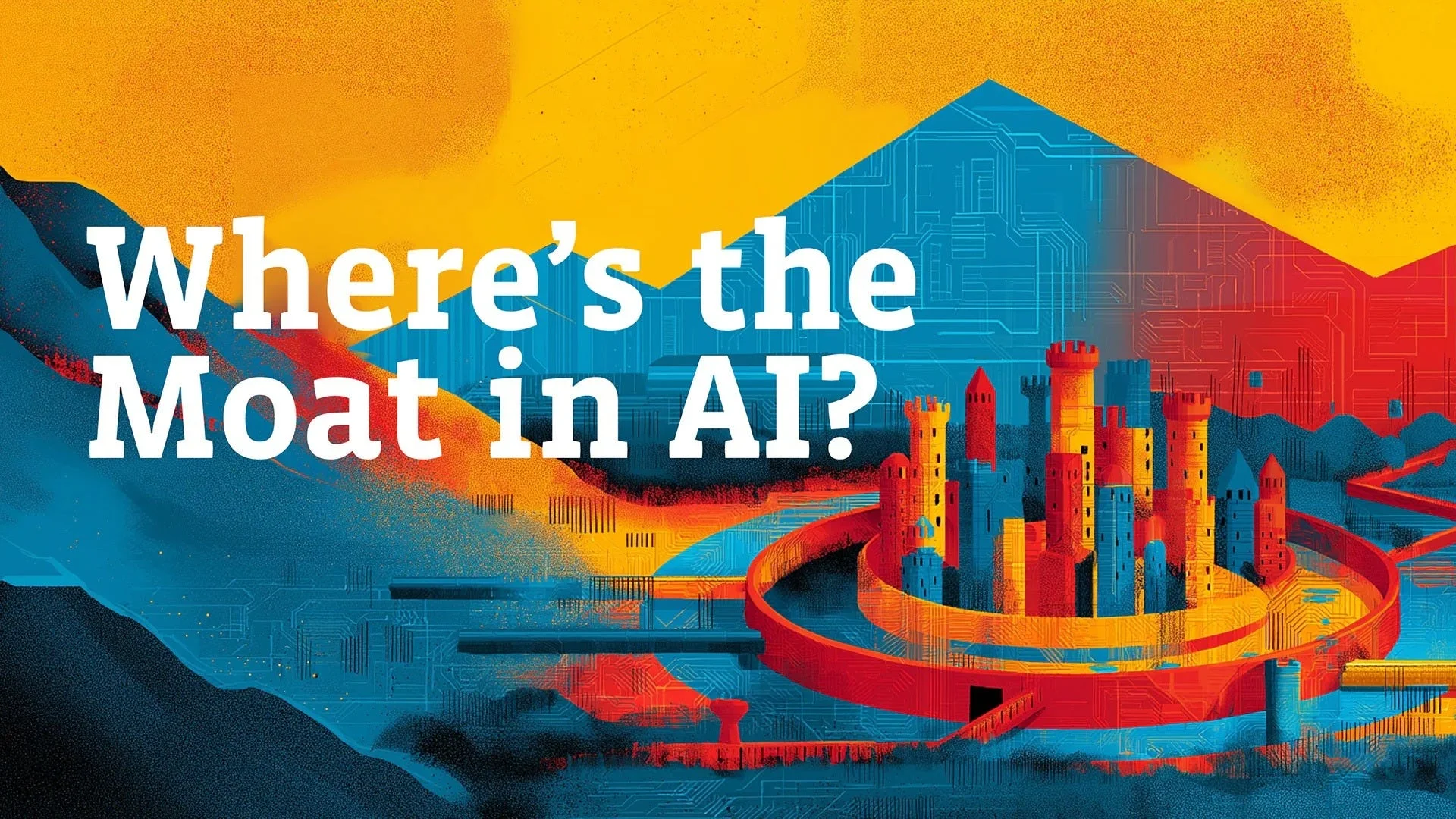
MOAT FROM DAY ONE — The Real Moat In The AI era Isn’t “Tech.”
AI is getting commoditized fast. Models will level out. Features will get copied.
What won’t get copied is behavior.
What won’t get equalized is distribution and community.
In the AI era, the application-level moat is “anti-tech thinking”:
Design → Distribution → Network Effects.
Design: second-nature usability
No onboarding. No manuals. No learning curve.
It just works—so smoothly it feels like instinct.Distribution: embedded in real life
Not “impressive in demos,” but useful every day.
When a product lives inside real routines and solves real pain, users pull it into more scenarios for you.Network Effect: Users aren’t just consumers — they’re producers.
This isn’t about piling up user counts. It’s about building a closed-loop flywheel: contribute → get value → co-create → repeat—until the ecosystem becomes self-propelling.
Extreme usability + Pain-driven distribution + A community flywheel.
WEDGE → EXPANSION
We start where pain is highest and proof is fastest: paperwork-heavy, trap-filled decisions—bills and health spending.
Not because it’s the only use case—but because it’s the quickest way to validate the promise: Paperwork in. Leverage out.
Billing audits are just the beginning—next we expand into global health intelligence (new drugs, research, clinical trials, longevity, risk alerts) and supplement truth-checking (real evidence vs. unsubstantiated “snake oil”).
Then we replicate the same deliverable across every opaque domain: insurance, contracts, jobs, education costs, subscriptions, investing — anywhere daily decisions are costly to get wrong.
This is not a fantasy. It is a roadmap built on real pain, real results, and real demand.
GROWTH LOOP
“Users = Investors = Co-builders” is how we build defensibility, not hype.
Users bring real problems + feedback (what we build)
Investors bring capital + networks (how fast we move)
Co-builders bring scenarios + data + distribution (how strong we scale)
Users give pain → Investors give capital → Co-builders give scale → Lumi gets better(Like a neighborhood tool share—everyone contributes, everyone wins)
INVEST IN LUMI: THE CORE CASE
Here’s the bet investors should underwrite: AI will get cheaper, models will get copied—and “cool tech” won’t compound.
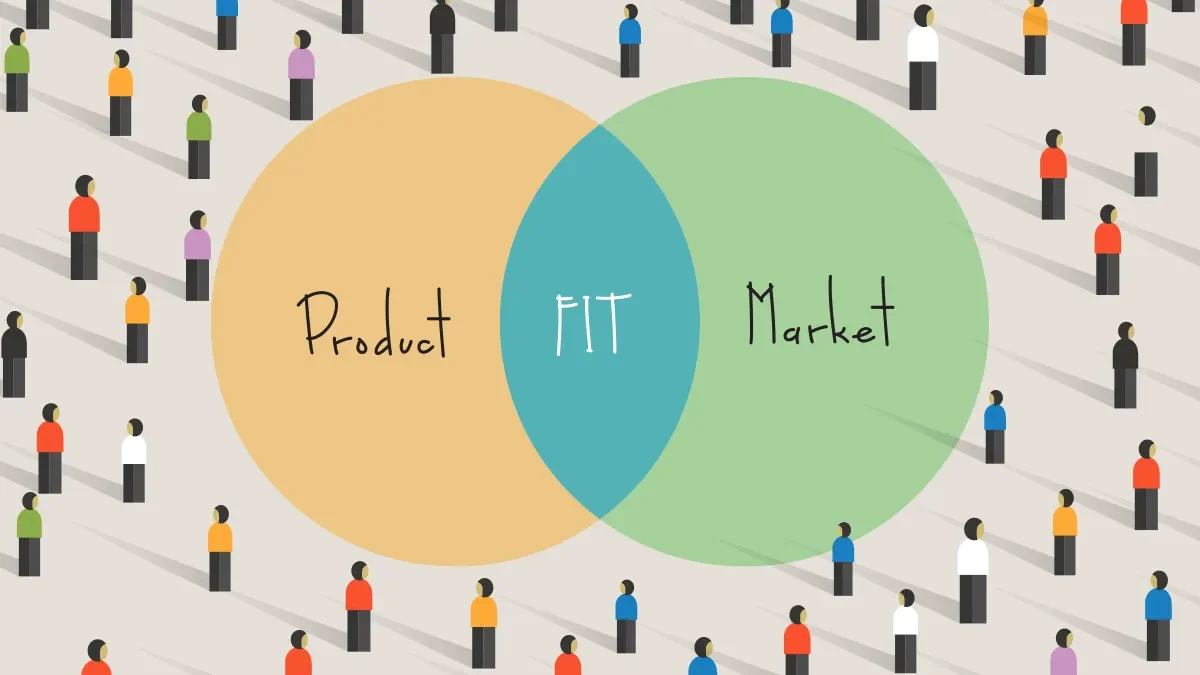
Founder–Market Fit: We understand everyday pain—lost money, wasted time, crippling uncertainty.
Niche Wedge: We start with the most painful, highest-frequency, most verifiable daily decisions.
Traction (Proof > promises): Trust is earned through receipts—real feedback, repeat use, retention.
Vision: Give ordinary people a fighting chance by breaking information asymmetry in everyday decisions—Paperwork in, Leverage out.
INVEST IN LUMI: THE RIGHT TIME — DECISION LEVERAGE OPPORTUNITY
We’re drowning in content. What’s scarce is decision-ready leverage—the ability to turn messy situations into a clear, immediate next move.
Bills. Insurance. Contracts. Job offers. Investing. School fees. Health spending.
The fine print is winning because most people don’t have the time, energy, or expertise to fight systems designed to exhaust them.
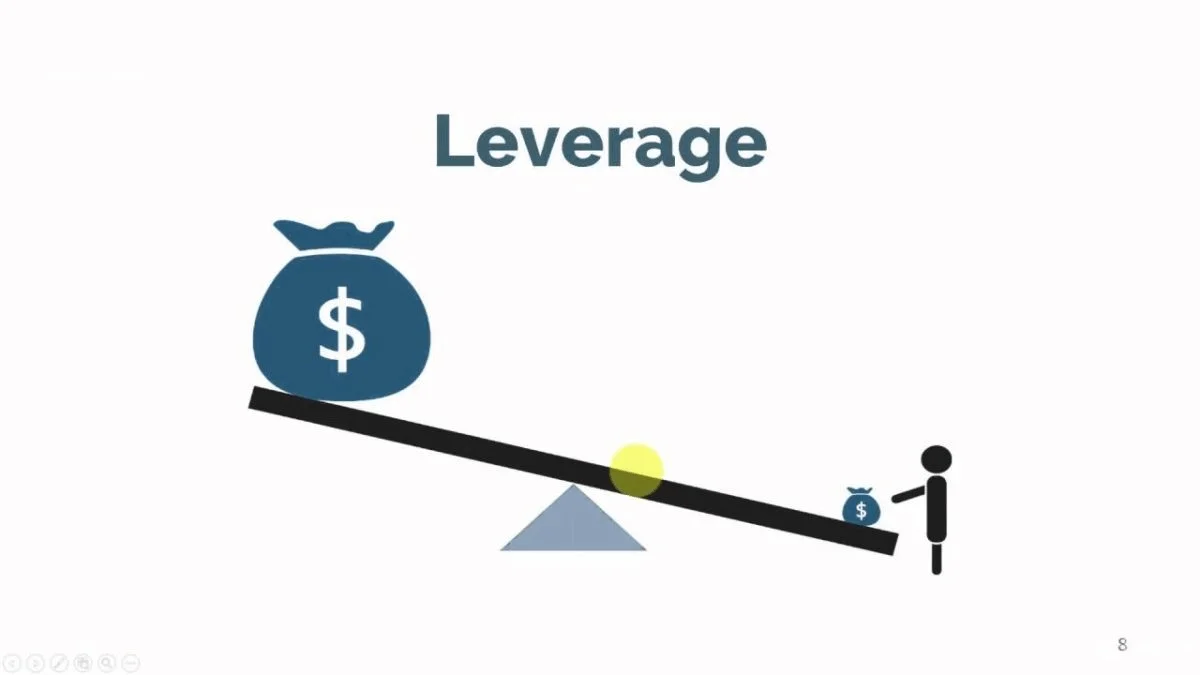
And here’s the inflection: AI just made decision-grade work cheap enough to run at internet scale.
That’s the gap: multi-source, high-quality, customizable decision support for everyday people is still rare.
And the demand is everywhere. For the first time, ordinary people can afford decision-grade help—not just advice, but steps they can actually take.
DIFFERENT BY DESIGN — OPERATE LIKE ELITES. THINK LIKE EVERYDAY PEOPLE.
We speak human—and it still holds up under institutional scrutiny.
No posturing. No performance. No “AI magic” flexes. AI’s cheap now. Models are everywhere. So “cool tech” isn’t the moat.
Winners win with two things: Elite Execution + An Everyday Perspective.
What actually holds a company up isn’t some secret black tech—it’s whether you can stand where real people stand and solve the pain that hits every day: avoid traps, save money, make money, waste less time.

So this isn’t something written only for institutions—and it’s not founder theatre either. No grand mythology. Just plain English, starting from the small, real problems in your life: we get what you’re dealing with, and we give you a clear next step.
In the AI era, the key isn’t being “above the crowd.” It’s being with them.
Your winners are customers and community — do they: Use it? Come back? Recommend it?
In investor terms: Real demand.→ Natural distribution. →Retention earned by solving pain.
Let’s be honest: The world is often a messy, makeshift system. The winners are the ones who can do both: operate like elites—think like ordinary people.
Speak human. Read the anxiety. Hit the real pain. Get it done.Repeat.
DIFFERENT BY DESIGN — FOR DAILY DECISIONS. NOT HEAVY ONES.
Enterprise and government decisions are “heavy”(e.g.,Palantir): huge dollars, low error tolerance, heavy compliance—so the solutions become heavy too (long cycles, high cost, expert teams).
Everyday decisions are “light” per decision—but high frequency, high friction, and full of traps.
Heavy.VS Light:Same logic, different battlefield.
Lumi isn’t a “Lower-End” version of anything. It’s better-fit.
We bring decision-grade thinking to daily life: lower the barrier, control the cost, and make it usable every day— in plain, human language.
Closing: Ordinary People Can Fight Back.
In 2025, an ordinary American used AI to audit a hospital bill—and cut it from $195,000 to $33,000—an 83% reduction. That proves one thing:
Ordinary people can fight back—If They Have The Right Tool.
This Is Lumi: The People’s Palantir

Palantir for everyday life — a global AI decision assistant built for regular people, not institutions.
Call it The People’s PDB — Presidential-grade intel, no gatekeepers.
Bills. Contracts. Investments. Scams. Anything life throws at you.
What Lumi Delivers
No fluff. No “AI mysticism.”No buzzwords. No TAM poetry. No hype.
Just Decision → Evidence → Next Steps—straight answers to real pain.
Paperwork in. Leverage out.
Cut bills. Avoid traps. Save money.
Because the real enemy isn’t “lack of information.”
It’s fine print, hidden fees, scams, and information asymmetry.
We don’t win by claiming trust.
We win by proving it—one solved problem at a time.
Who We Are
A grassroots voice with serious execution. Built for everyday life—not pitch theater.
In an AI world where models get copied and hype expires fast, authenticity + impact are what endure.
Lumi was born from a simple belief: in a world full of hype, authenticity and impact matter most. We have the privilege of an incredible team that knows how to execute at the highest level. We’ve led and delivered at scale in past ventures, and we’re pouring all that expertise into Lumi.

But let me be clear: no matter how “elite” our execution is, we measure success by one simple yardstick – the everyday impact on users’ lives. From design to deployment, we’re obsessed with the user’s perspective. If it doesn’t make sense to a regular person or doesn’t solve a real problem, we go back to the drawing board. That ethos keeps us honest, humble, and laser-focused on what matters.We back real people, not hype; real results, not fairy tales
The Vision
Technology should empower people—not gatekeepers.
Our vision is bold yet down-to-earth: Give ordinary people a fighting chance by breaking information asymmetry in everyday decisions—Paperwork in, Leverage out.

The Ask
This isn’t just a startup pitch. It’s a movement—real, repeatable, built to last.
If this resonates, join us—as investors, users, partners, co-builders—and help make sure fewer people get ripped off or left in the dark.
→ Open the Pitch Deck (Demo / Business Model / Roadmap / Data & Trust Mechanisms)
→ Want to talk? 15 minutes is enough.
Ordinary People Can Fight Back. Let’s Build The Tool.
Bonus Ending — If you’ve made it this far, you’re already aligned with Lumi
Honestly, if you’re still here, we’re probably on the same wavelength.
We don’t need everyone’s attention. We want the right people—the ones who truly get it—to go deeper and go farther with us.
This preface is just the appetizer. The real product logic and execution mechanics live in the Deck.
But there’s one truth we want to leave you with:
Lumi’s edge isn’t a single technology or a clever model. It’s systemization.
Systemization = taking a real pain → turning it into decisions → turning decisions into growth → turning growth into cash flow—end-to-end, with no weak links.
Tech can be copied. Features can be chased. But a no-shortcuts, no-weak-links system is the hardest thing to replicate.
So what does “systemization” mean at Lumi?
1) One target: the real pain of everyday people
Most people don’t lack information. They lack clarity, verification, and next steps.
It’s too noisy. Too mixed with agendas. Too hard to act on.
So we compress complexity into three things: what to trust, why to trust it, and what to do next.
Call it ‘Presidential Briefing-level’ decision support—built for the 99%.
2) A closed loop, not a single point
What wins today isn’t “better tech.” It’s whether the system runs:
market, customers, growth, investor understanding, cash flow—miss one, and the whole thing breaks.
That’s why Lumi is designed as a loop from day one:
Pain → Solution → Advantage → Execution path.
Clear logic. Repeatable. Iterative. Shippable.
3) Lower the barrier to participate: we don’t care who you are—only what you believe
We don’t split the world into retail vs. institutional, local vs. global, user vs. investor vs. builder.
If you believe in one thing—solving real pain for everyday people—there’s a place for you in the system.
That’s why we say: customer = investor = co-builder.
Not a slogan. A structural design.
And our funding paths reflect the same system approach:
SAFE (equity), SAFE-T (hybrid), and crowdfunding (equity or product).
Not for “variety.” For alignment—so anyone who shares the mission can enter, while the project builds a sustainable cash-flow narrative.
Why systemization matters right now
To borrow from Dickens: it’s the best of times, and the worst of times.
Markets are full of fear and uncertainty—but opportunity hides inside that fear.
The teams that survive cycles aren’t the ones with a single breakout feature.
They’re the ones with a system.
Lumi’s goal is simple: no weak links.
From information asymmetry → to decision leverage;
from community co-building → to scalable expansion;
from instant “I get it” resonance → to institution-grade logic.
We want to earn trust the only way that lasts: with a complete, consistent chain of reasoning—and delivery.
This is where the preface truly ends.
If you want to go further, the real Lumi starts now.
If you believe systemization wins,
and you believe solving everyday pain is the biggest opportunity—
open the Pitch Deck and the appendix.
Lumi isn’t just something to back. It’s something we build—together.
The aligned will walk together.
Comments (0)